
Route selection changes everything about how KPV reaches its target. Take it orally for gut inflammation, IBD, or colitis. Skin-related claims are based mainly on preclinical anti-inflammatory and wound-healing research. KPV is sometimes promoted for broad ‘systemic inflammation,’ autoimmune disease, arthritis, or recovery.
Typical muscle-builders stack KPV with other recovery aids, like BPC-157, to keep training hard. Most people mix it with water or use a nasal spray. Others point to less time with sore elbows or knees. Now, some people in the gym say KPV helps them bounce back after tough workouts. Talk to a licensed clinician before starting (stopping), or changing any prescription.
Compounded KPV is prepared for individual patients through licensed compounding pharmacies based on prescriber clinical judgment. It’s not necessarily “better” than oral for all patients — but the local delivery rationale is strong for disease limited to the rectum and sigmoid. Some people report changes within a few weeks, but because human data is limited, timelines aren’t standardized.
Leave it stuck “on,” and you get chronic inflammation. Women’s Hormones & MenopauseMen’s Health & TRTThyroidMedical Weight LossPeptide TherapyIV TherapyLabs & www.motsc.com/ TestingCell Factor™Existing patient? Start at 250 mcg , 5 units, and titrate up weekly as tolerated. Melanocortin-derived tripeptide KPV has anti-inflammatory potential in murine models of inflammatory bowel disease. Orally targeted delivery of tripeptide KPV via hyaluronic acid-functionalized nanoparticles efficiently alleviates ulcerative colitis.
Subcutaneous injection dosing
Any number presented online as a direct human dosing equivalent derived from these animal studies is an extrapolation the original researchers did not make and the published data does not support. KPV has no FDA approved indication (and no completed human dose finding trial has established what an appropriate), effective, or safe dose looks like in people. Calculate your exact KPV subcutaneous dose based on vial size and reconstitution volume.
Due to the peptide’s regulatory classification as research-only and the limited data on long-term safety — KPV therapy necessitates ongoing medical oversight. Typically (daily dosing calculations for both genders are based on weight), averaging 8-12 mcg/kg. Should more than six hours elapse, skip the missed dose and continue with the usual schedule the following day. To ensure stable plasma levels — research protocols consistently advocate for fixed injection times within a few minutes each day.
We do not have official data on its long-term safety (side effects), or true effectiveness in people. While you can find vendors online, the risks are high. KPV vs. Other Gut-Focused Peptides Other peptides are also being researched for gut health, which helps put KPV in context. This targeted action is especially relevant in the gut — where inflamed tissues have more PepT1 transporters, effectively pulling the peptide right where it is needed most. As noted by PeptideFox, when KPV reaches a target cell, it enters via the PepT1 transporter.
The single injection for rodents is set at 1 mg/kg, which exceeds any standard chart per kilogram. This dose has not been tested in humans and follows a ‘loading’ phase (then shifts to ‘maintenance’ for periods of weeks), transitioning to two or three times weekly. Drawing from other peptide charts, the only injected dose of 1 mg/kg serves merely as a neuroprotection trial, rather than a study on dosage. The online figures (ranging from 200 to 500 micrograms for injections), stem from casual usage rather than formal clinical trials. You may contact our care team for any inquiries, or you can schedule your visit now at one of our locations in Tampa or Riverview. Relying solely on preclinical research for decision-making can potentially result in significant harm.
The predominant method for administering KPV is orally, especially in contexts involving gut inflammation. The method of administration alters KPV’s dosing notably, affecting its bioavailability and delivery to target tissues. At FitScience.co, the research conducted by Dr. Bhasin underpins our evidence-based evaluation of compounds that enhance performance and affect metabolic health. For those with access to bloodwork and a desire for thoroughness (consider including high sensitivity C-reactive protein before and after a four-week regimen), ensuring that training loads remain consistent. The rash resolves in half the duration compared to previous episodes.
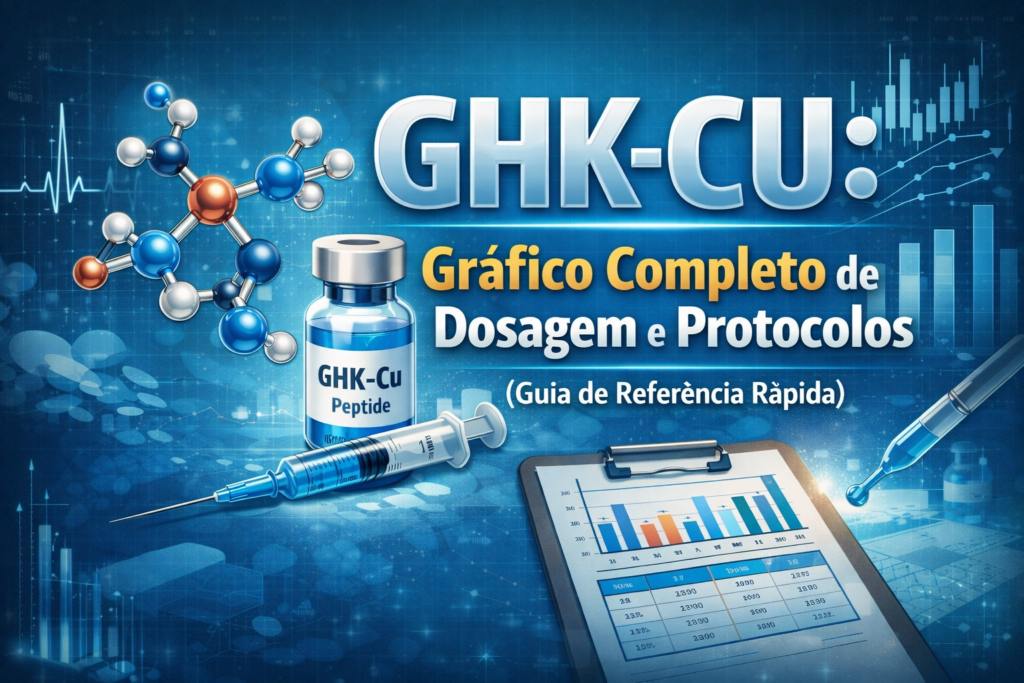
While KPV is often promoted online for applications related to inflammation — gut health, skin issues, or recovery, none of these uses have been validated through controlled human trials. Investigations have considered anti-inflammatory signaling (intestinal inflammation), wound healing, and antimicrobial properties; however, these studies have not confirmed that KPV can treat any medical conditions in humans. Regardless of the option you select, a licensed physician will review your request, and approved prescriptions will be processed by a state-licensed 503A compounding pharmacy. Subscription options include KPV at $249, reduced to $229 for a total of $599 (approximately $200/month), while the Recover stack (including BPC-157, GHK-Cu, and TB-500) is offered at $279, discounted to $249 for a total of $629 (around $210/month). The Klow stack , comprising BPC-157 and TB-500, also follows this pricing structure. Alternatively (you can opt for telemedicine services), where several reputable platforms provide pharmaceutical-grade KPV as a stand-alone peptide or as part of a combination treatment.